Political Ecology · Asia-Pacific
I am an environmental social scientist studying the political economy of land use change across the Asia-Pacific — deforestation, agrarian transformation, urban vulnerability, and community governance of natural resources.
My work is rooted in long-term fieldwork in Indonesia and Southeast Asia, with a growing focus on Hawaiʻi and the Pacific.
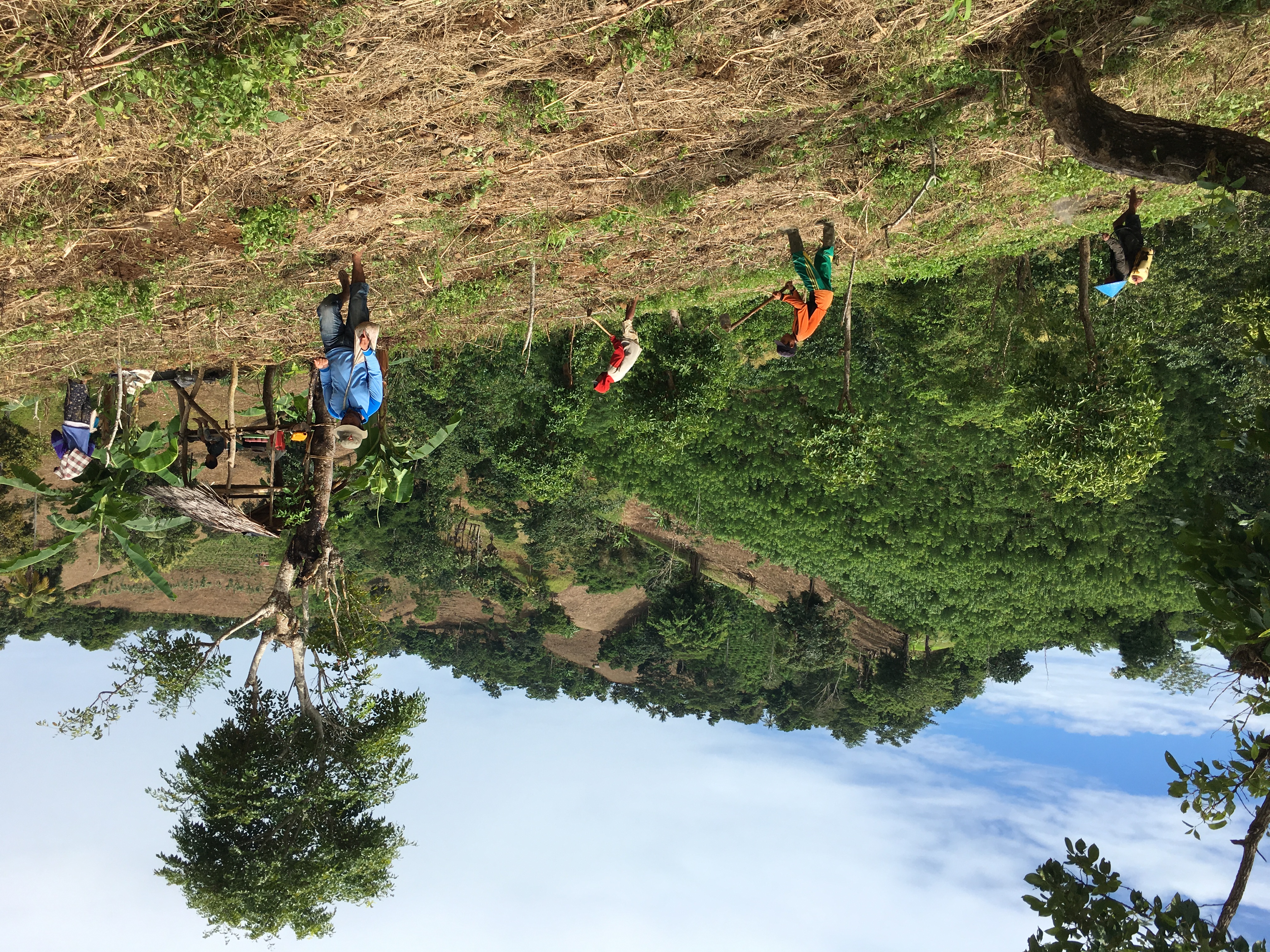
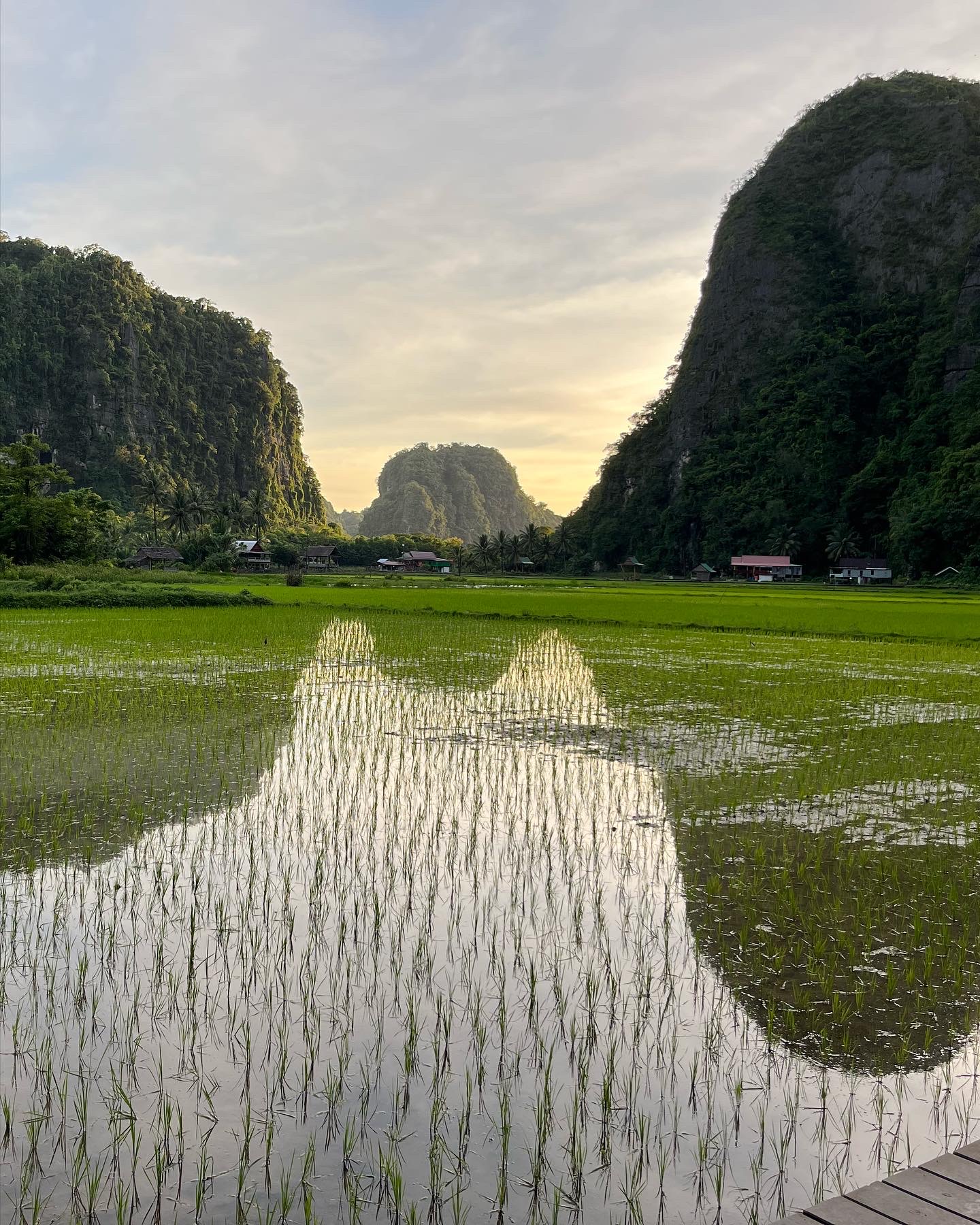
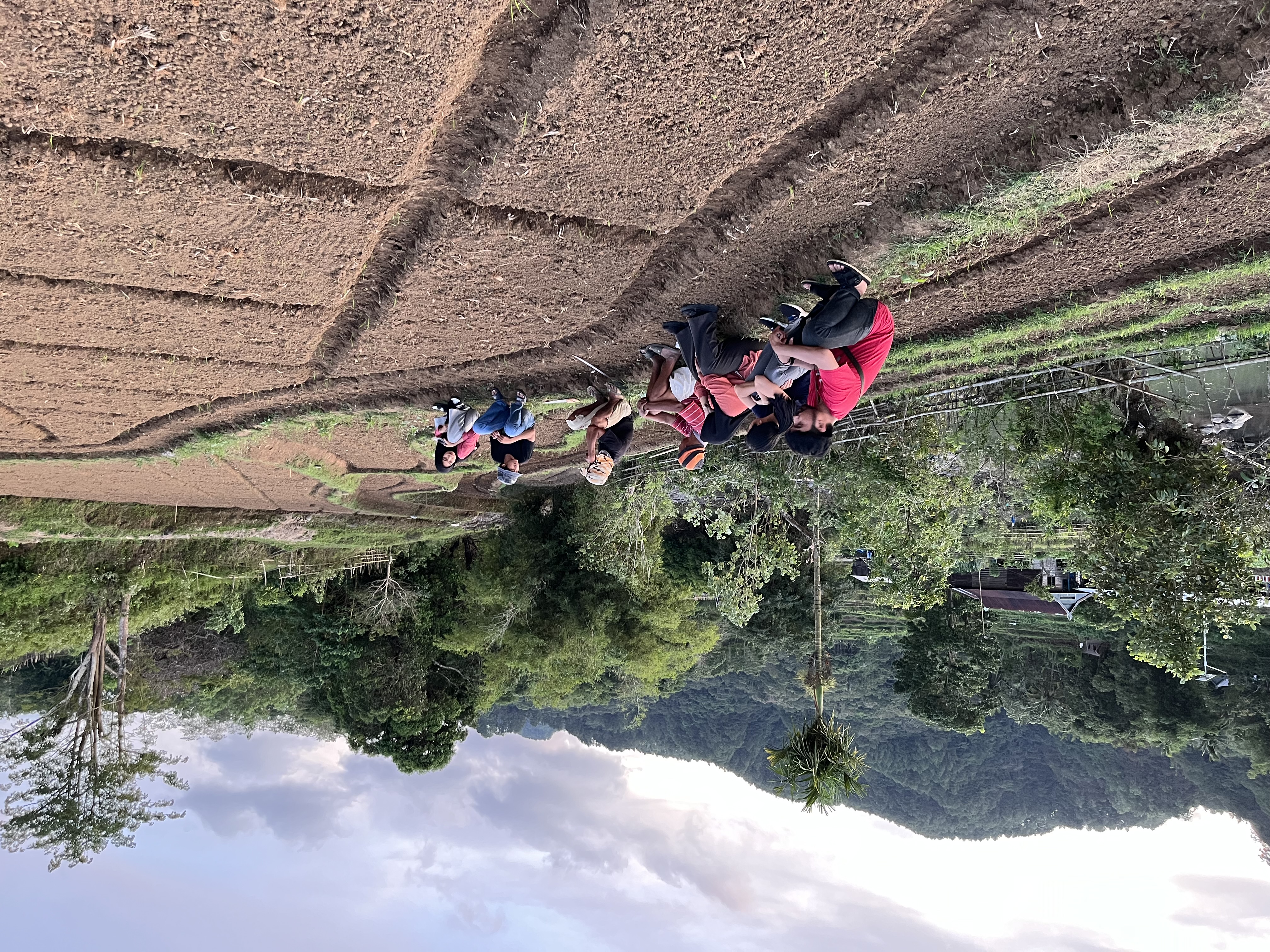
South Sulawesi, Indonesia
Research
Commodity booms, enclosure, and deforestation in tropical forest countries — and the grassroots movements that resist and reshape them. Focused on oil palm and rubber expansion in Indonesia, and the long politics of land reclamation.
How communities actively govern shared resources — from forests to watersheds to fisheries — and what it means to build durable institutions for the commons. I serve as IASC Conference Chair for the global Biennial in 2027.
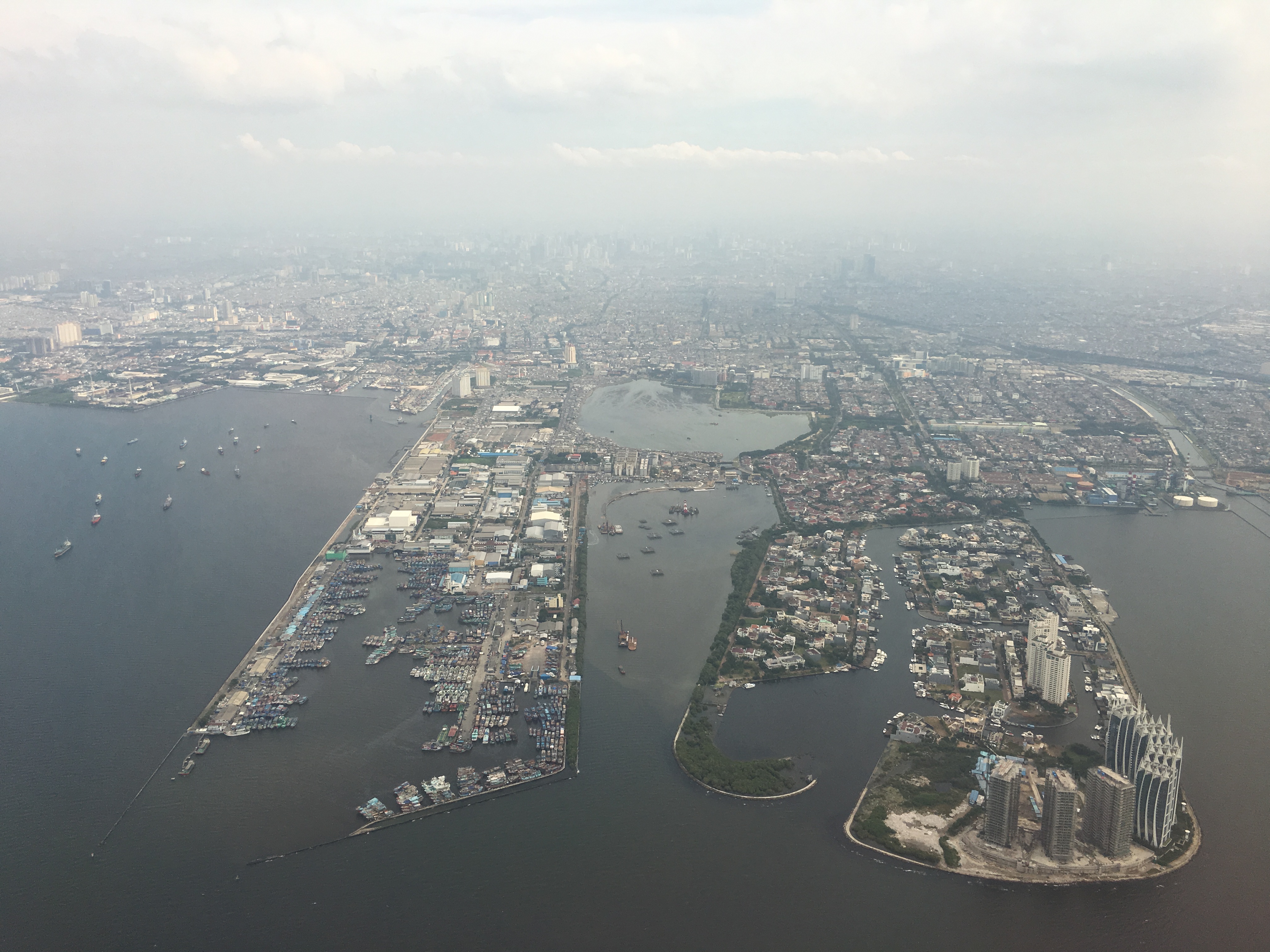
From Jakarta to the new capital Nusantara — coastal urbanization, flooding, and the political and livelihood transitions reshaping Indonesia's vulnerable deltas and waterfront communities.
Community-centered approaches to climate adaptation and governance across the Asia-Pacific, with a focus on participatory methods, engaged scholarship, and reshaping resilience policy from below.
From the Field
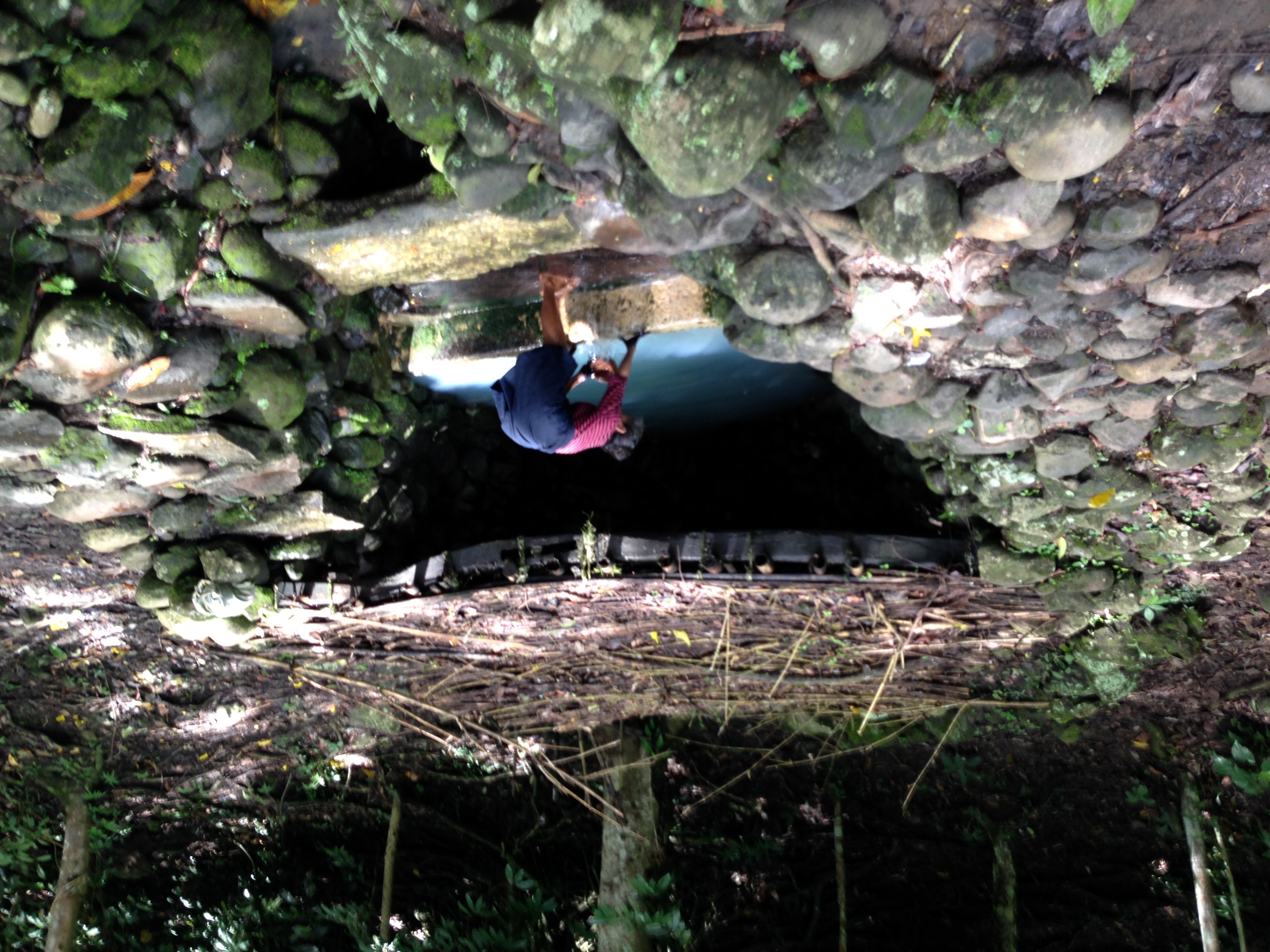
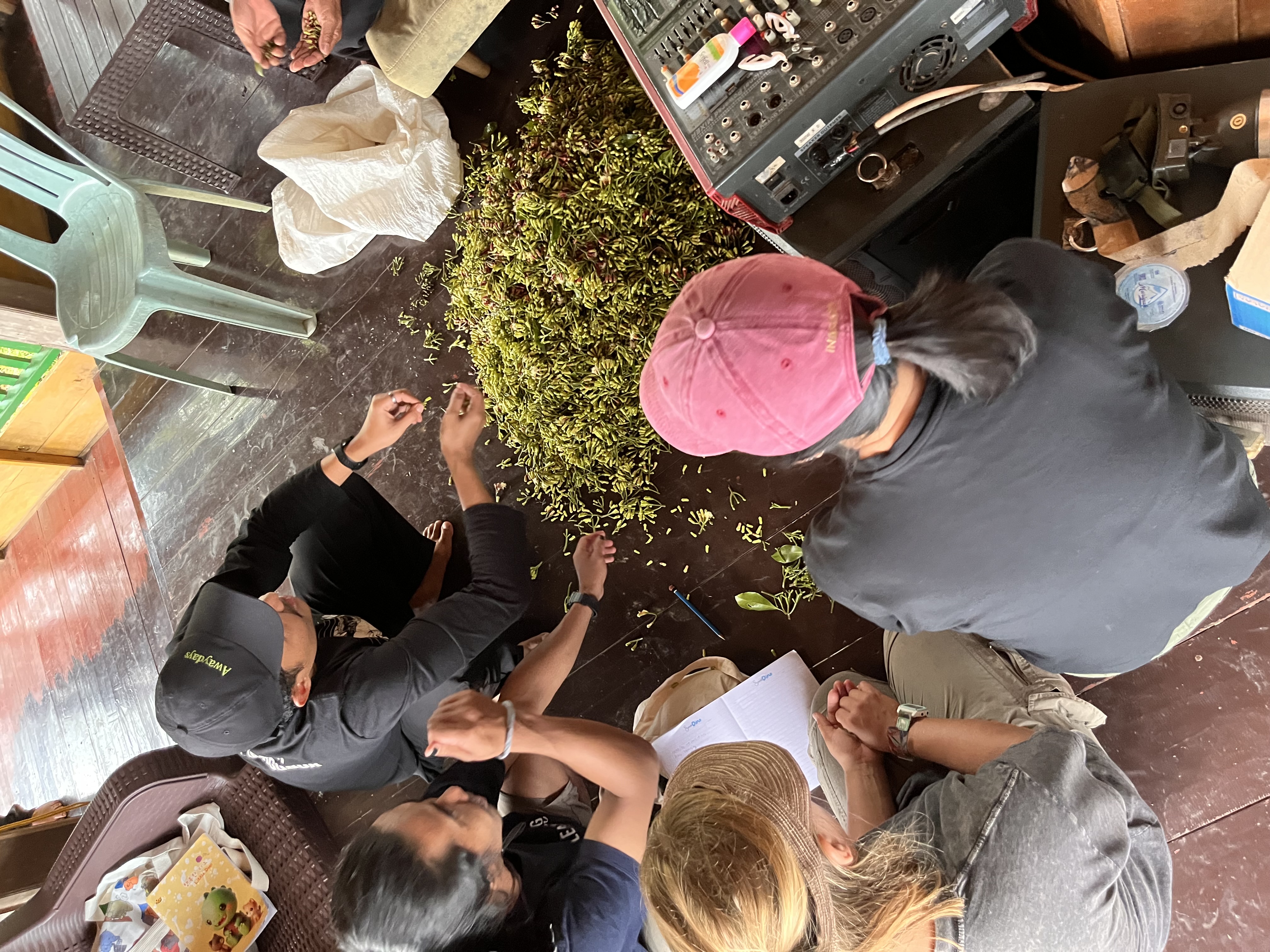
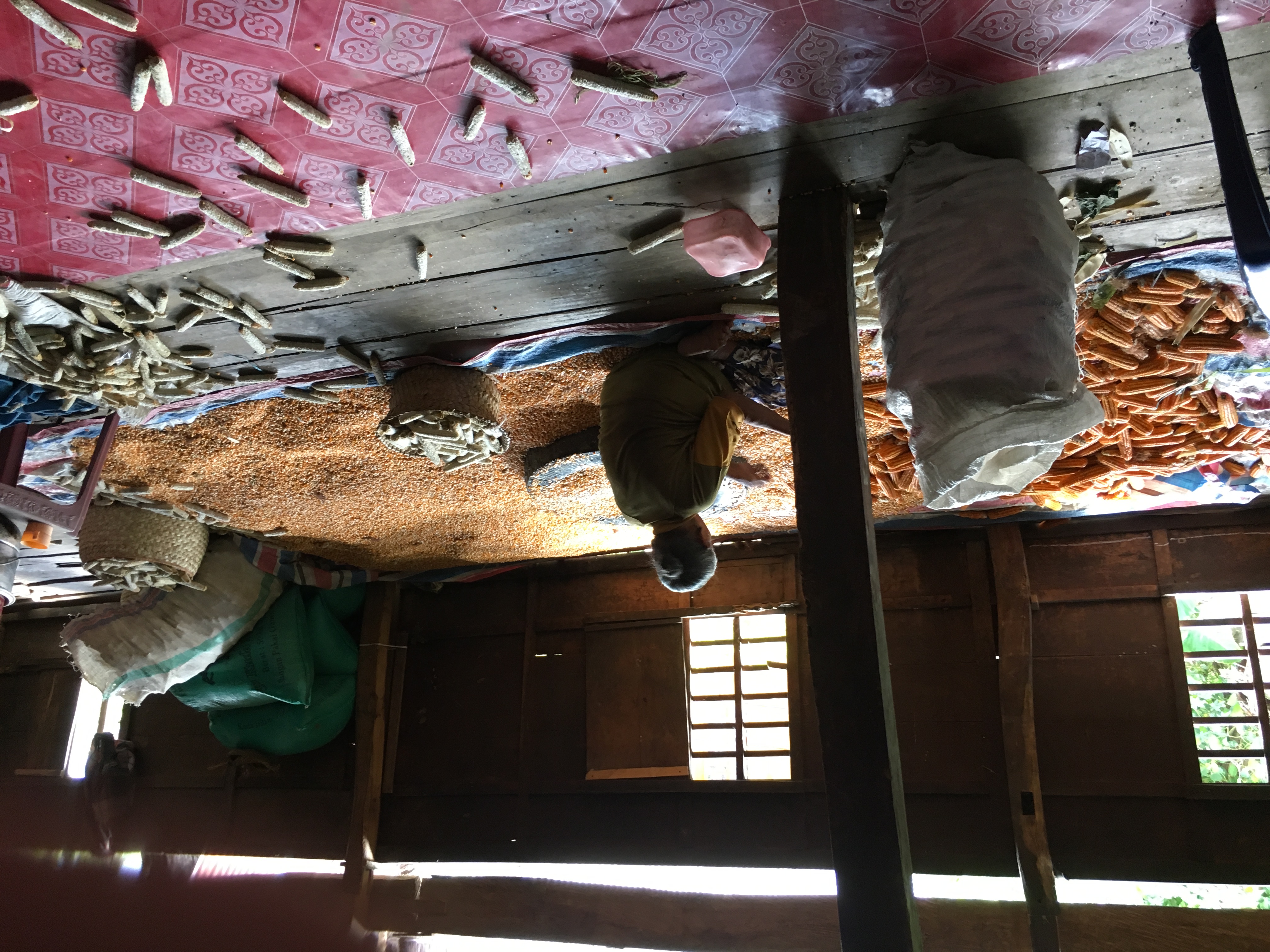
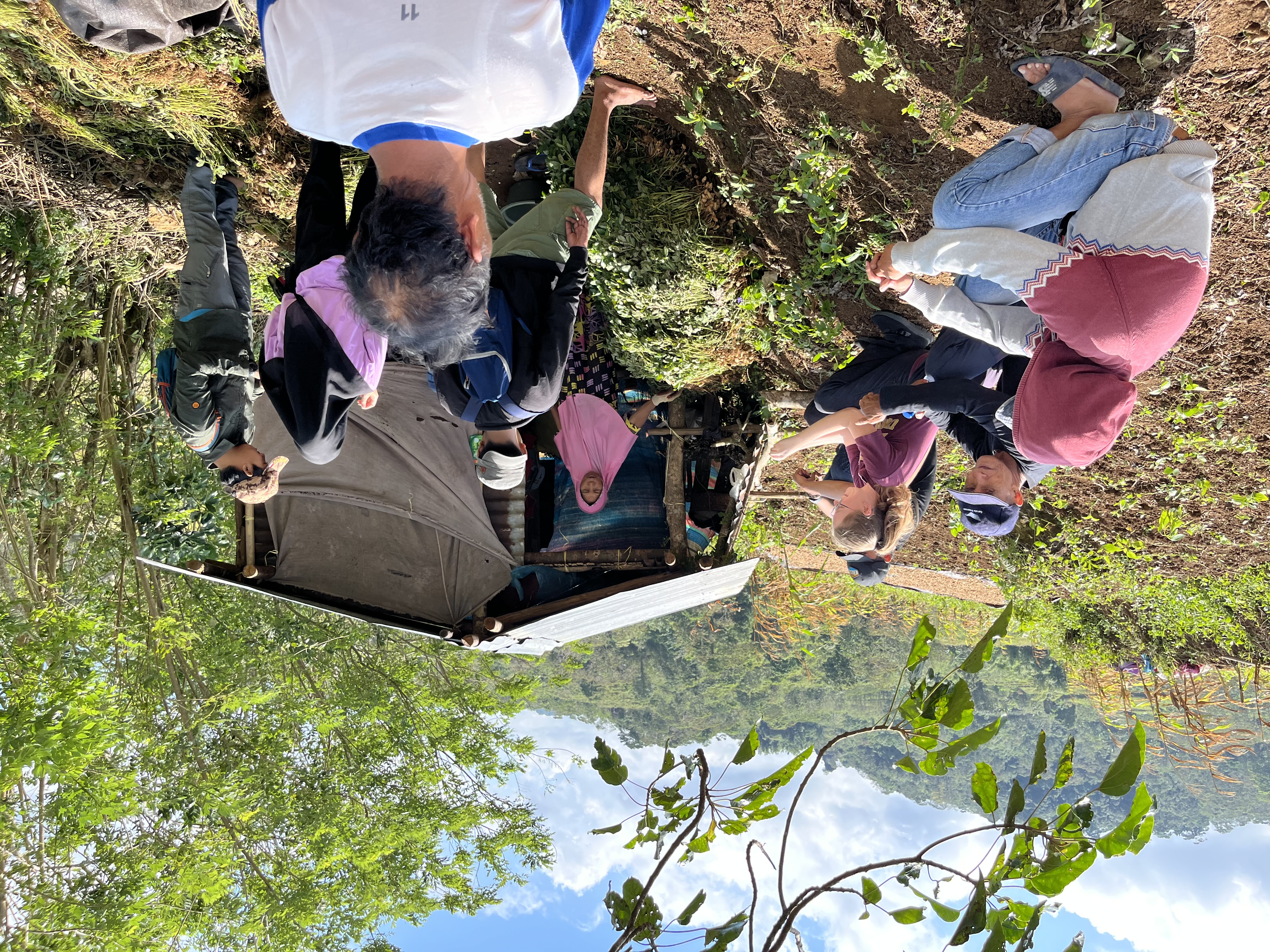
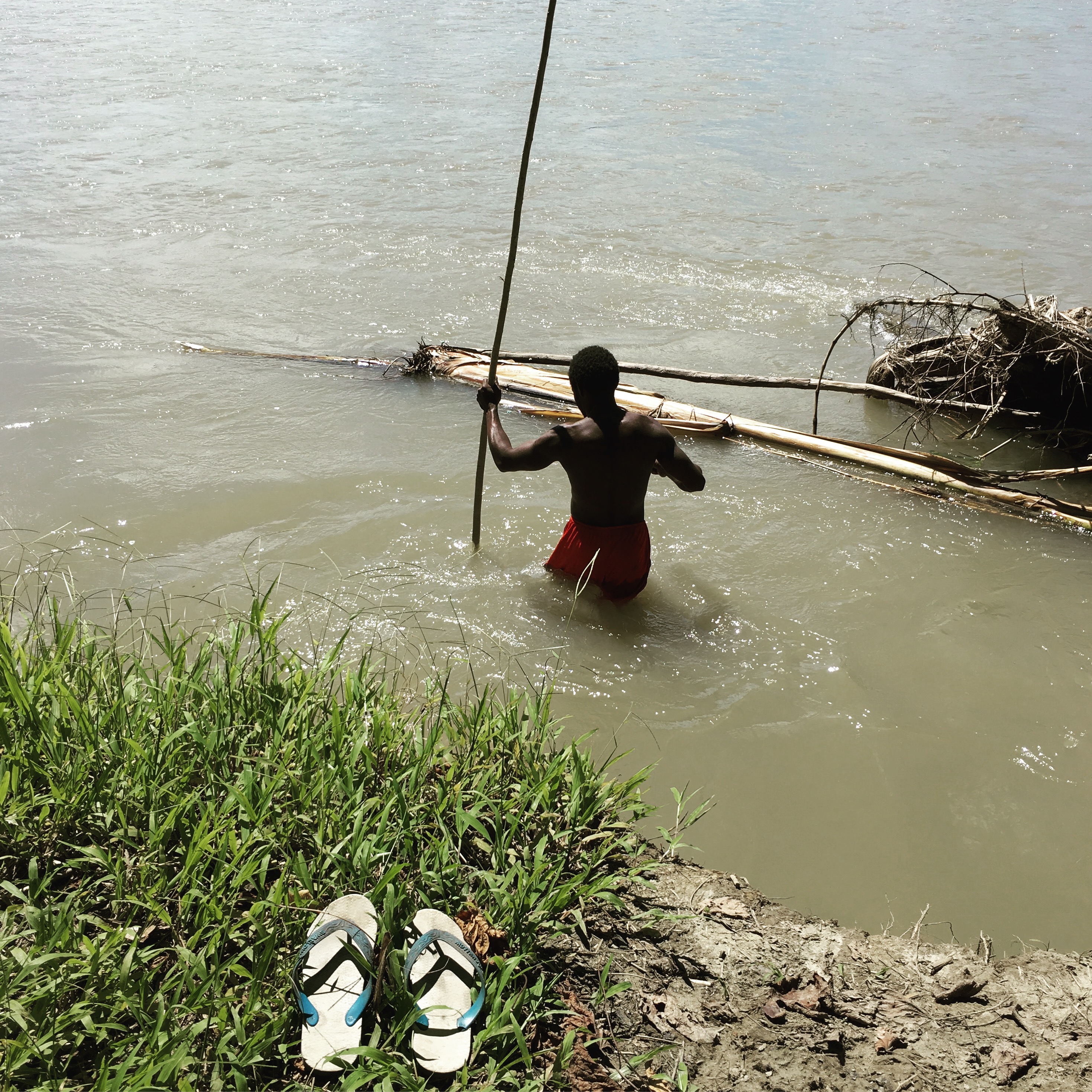
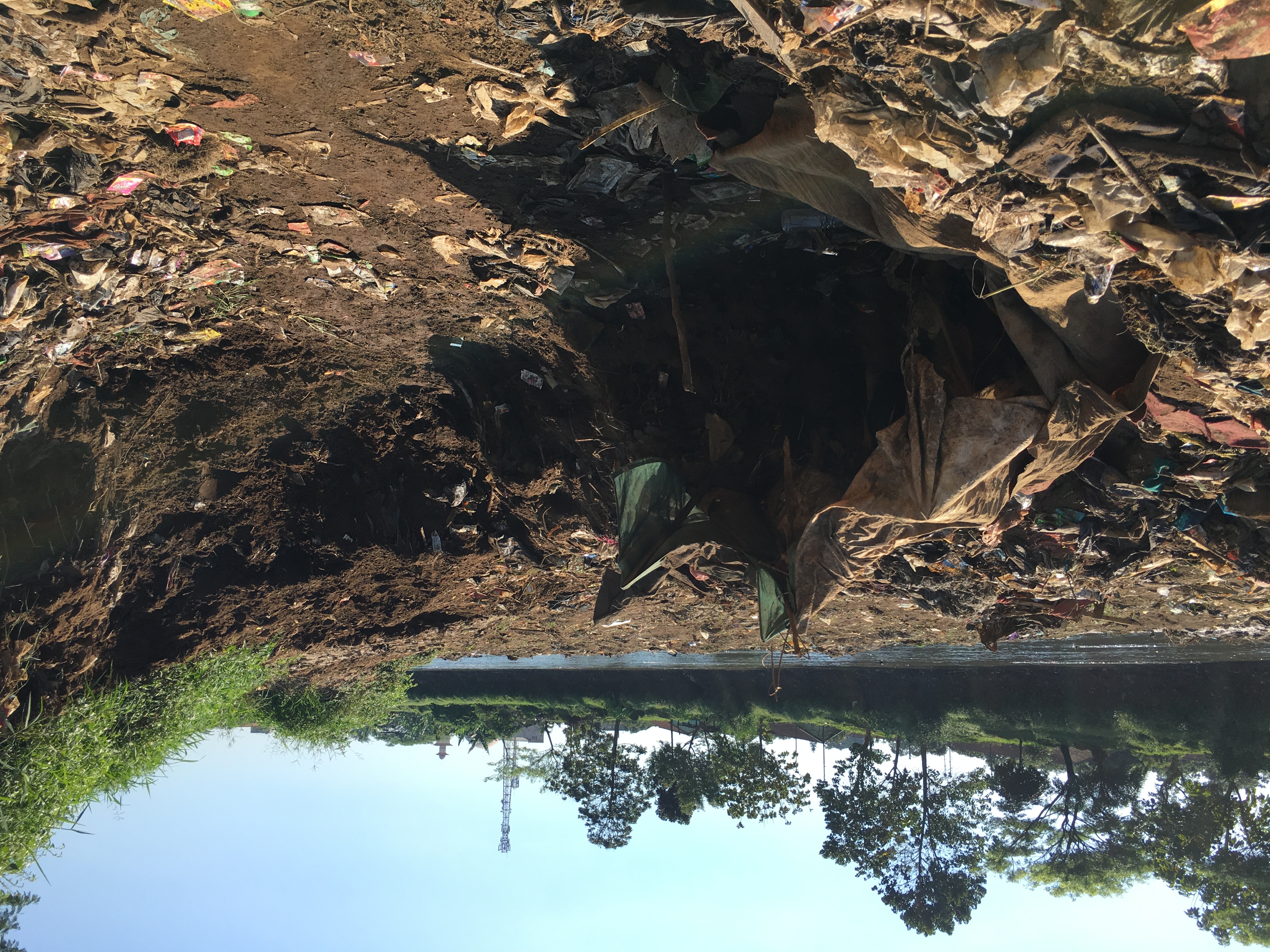
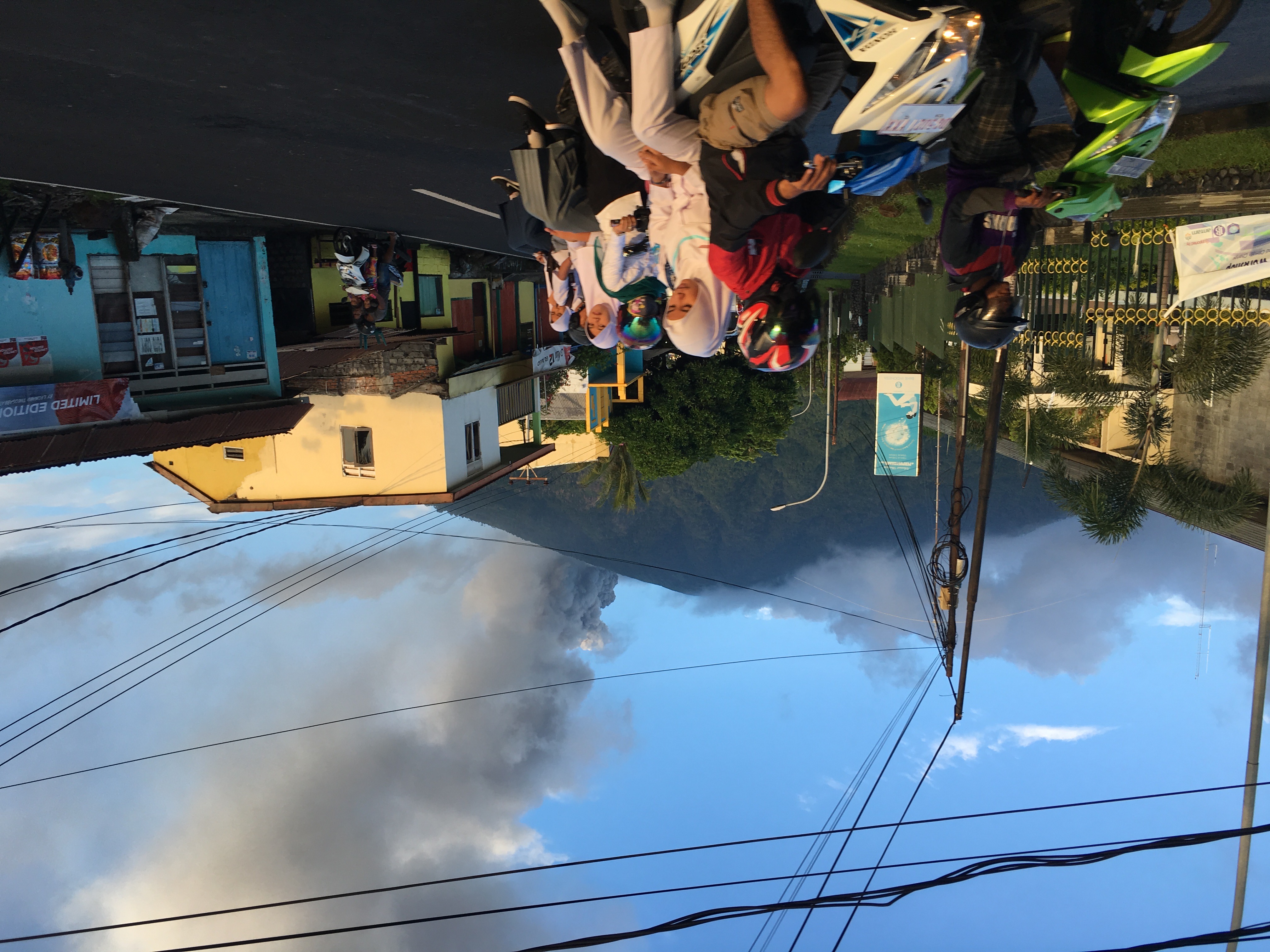
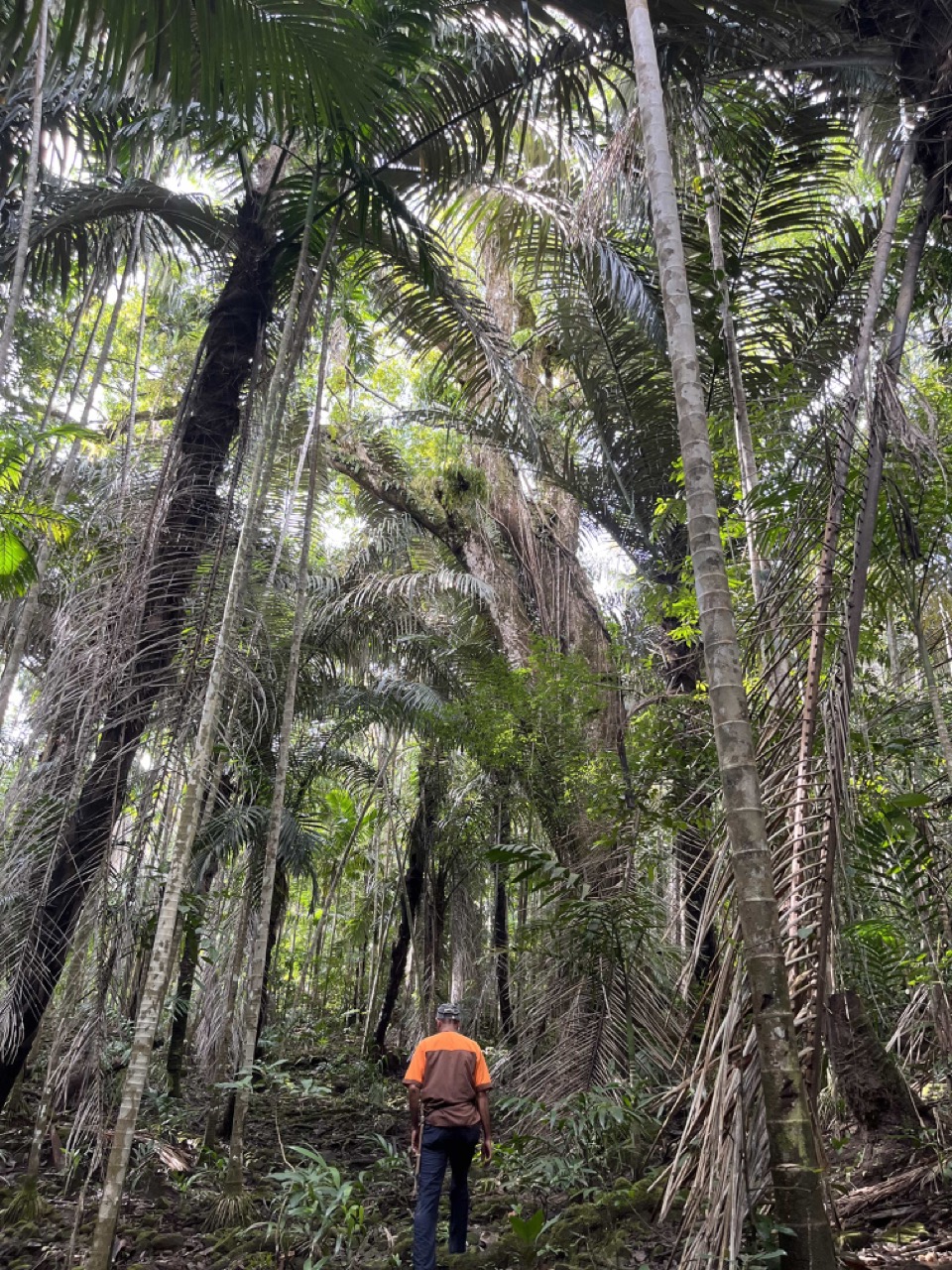
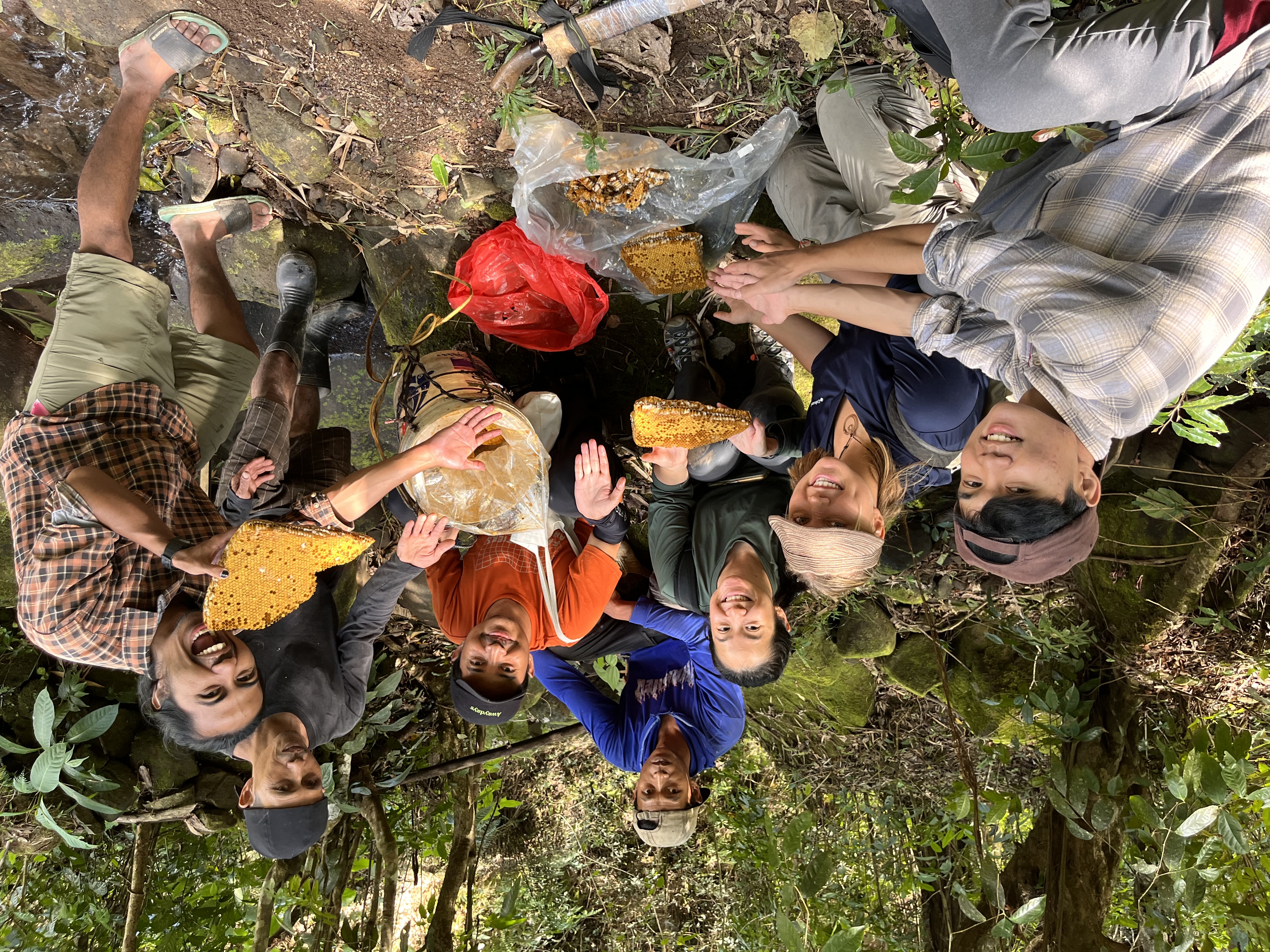
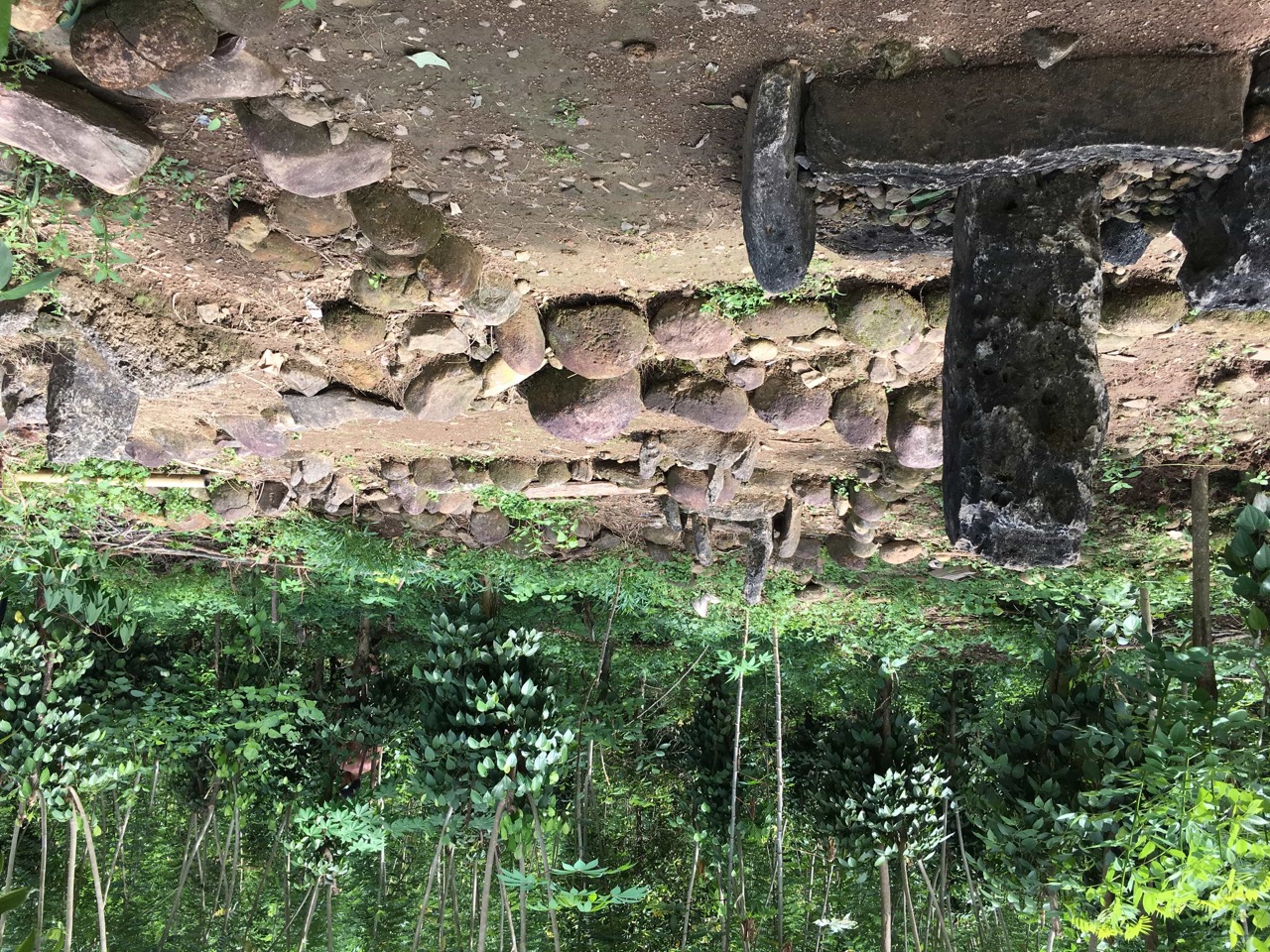
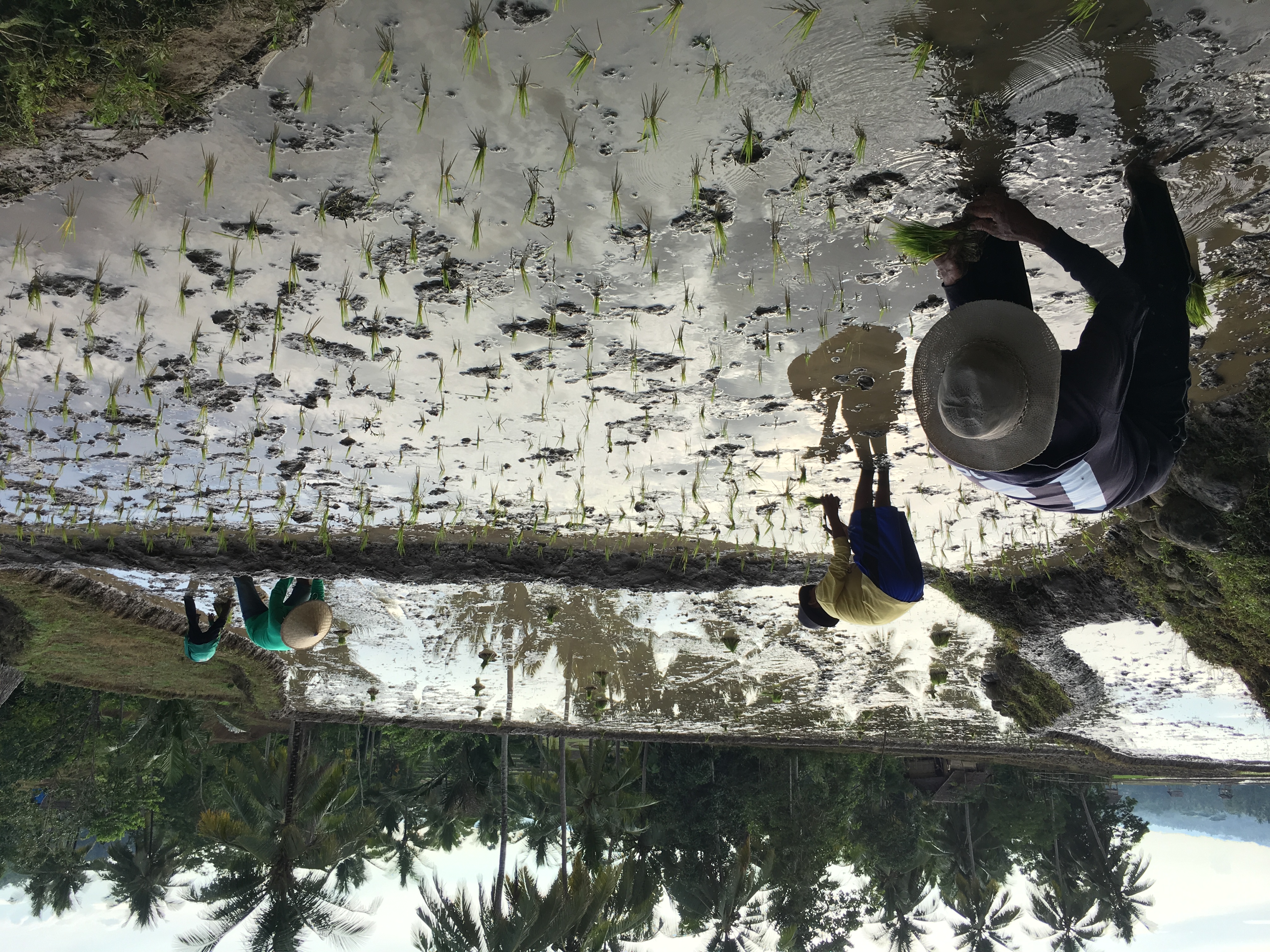
Long-term field research in South Sulawesi, East Kalimantan, Jakarta, and the Chiang Mai highlands — alongside community members, students, and collaborators across the region.


Scholarship
Waves of Bugis Migration to the Mahakam Delta: Livelihood Trajectories and Landscape Changes along the Rural Coastlines of East Kalimantan
Forest and Society, 9(1): 336–357
Narrating Vulnerability and Reshaping Resilience: Media Discourse and Political Coalitions on Jakarta Flooding
Environmental Communication, 19(4): 688–706
'Waiting to be called': rural youth, hope and future-making in South Sulawesi, Indonesia
Journal of Youth Studies, 2025: 1–17
Environmental Governance Challenges of Indigenous Forest Recognition: Climate Solution Ideal and Its Uneven Outcomes in Indonesia
Forest and Society, 8(2): 402–421
Nusantara: Climate Dilemmas of a "Green" Capital City in Indonesia
Asia-Pacific Issues, 169: 1–10
The Persistence of Precarity: Youth Livelihood Struggles and Aspirations in the Context of Truncated Agrarian Change, South Sulawesi
Agriculture and Human Values, 41: 293–311
Placing the Commoning First: Getting Beyond the Patronage Trap in Natural Resource Decentralization Policies
Forest and Society, 7(2): 412–434
On the demise of Makkalice: Conservation enclosure and the loss of a wealth-redistributing harvest system in South Sulawesi, Indonesia
Human Ecology, 51(4): 753–768
Rethinking agrarian transition in Southeast Asia through rice farming in Thailand
World Development, 169: 106309
Territorializing spatial data: Controlling land through One Map projects in Indonesia and Myanmar
Political Geography, 98: 102651
From knowledge to action: multi-stakeholder planning for urban climate change adaptation and resilience in the Asia-Pacific
Socio-Ecological Practice Research, 2022: 1–15
Misleading icons of communal lands in Indonesia: Implications of adat forest recognition from a model site in Kajang
The Asia-Pacific Journal of Anthropology, 21(1): 55–76
Maladaptation on the Waterfront: Jakarta's Growth Coalition and the Great Garuda
Environment and Urbanization ASIA, 10(1): 63–80
Assessing the New Social Forestry Project in Indonesia: Recognition, Livelihood and Conservation?
International Forestry Review, 20(3): 346–361
Suitable Days for Plant Growth Disappear under Projected Climate Change: Potential Human and Biotic Vulnerability
PLoS Biology, 13(6): e1002167
Commodities and Global Climate Governance: Early Evidence From the EU Deforestation-free Regulation (EUDR)
Asia-Pacific Issues, East-West Center: Honolulu
Forest Restoration and Rehabilitation in Indonesia: A Policy and Legal Review Report
EU REDD Facility / European Forest Institute and Sebijak Institute
The Climate-Water Nexus in Indonesia: Water Resource Vulnerabilities, Coastal Hazards, and Greenhouse Gas Emissions
World Bank
Pathways to Integrated Urban Water Management for Greater Jakarta
World Bank
Jakarta Flooding Prompts Plan to Relocate Indonesia's Capital
East-West Wire, May 19, 2022
Jakarta's 'great garuda' project: Profits for re-emerging elites in the name of climate change
East-West Wire, June 21, 2019
Smoke over Sumatra: Why Indonesia's fires are a global concern
Mongabay. Republished in Jakarta Post, Asia Sentinel, Malay Mail
Books
What happens after Indigenous communities win recognition of their land rights? This monograph follows the aftermath of the first formal return of state forest lands to an Indigenous community in Indonesia — tracing what recognition means on the ground, how it shifts power and possibility, and what the struggle continues to look like years later. Drawing on long-term fieldwork with the Kajang community in South Sulawesi, it asks what is truly inherited when land rights are won.
Co-edited with two regional collaborators, this volume brings together scholars and practitioners working on social and community forestry across South and Southeast Asia. It examines the persistent tensions between livelihood imperatives and conservation goals — and what it truly means to govern forests with and for communities rather than over them.
The power of possibility in landscape governance: Multiple lives of participatory action research in Kajang, Sulawesi
In Colfer, C. and Prabhu, R. (Eds.), Responding to Environmental Issues through Adaptive Collaborative Management. Routledge, pp. 113–132
Assessing the Governance Modes of Indonesia's Forest Management Unit
In Environmental Governance in Indonesia. Springer International Publishing, pp. 151–165
Engaging voices in the landscape: Participatory geography in Indigenous land rights recognition
In Acabado, S. and Kwan, D. (Eds.), Indigenous Peoples, Heritage and Landscape in the Asia Pacific. Routledge, pp. 31–53
Was the conflict in East Timor, Indonesia the direct result of natural resources?
In Burnett, M.T. (Ed.), Natural Resource Conflicts. ABC-CLIO, pp. 364–369
The Art of Contestation and Legitimacy: Environment, Customary Communities, and Activism in Indonesia
In Liam, L. and Kedzion, S. (Eds.), Occupy the Earth: Global Environmental Movements. Emerald Group Publishing, pp. 197–226


Teaching
My teaching spans political ecology, environmental governance, peace and conflict studies, and community resilience — bridging theory and practice through case-based learning, fieldwork, and collaborative inquiry.
I teach at the University of Hawaiʻi at Mānoa and have delivered intensive courses across Indonesia, Southeast Asia, and internationally through the East-West Center, UN-Habitat, and US State Department platforms.
An introduction to the field of peace and conflict studies, examining theories of conflict, violence, and peace-building across scales — from interpersonal to international. Students explore historical cases, contemporary conflicts, and frameworks for understanding and responding to violence.
Examines who governs natural resources — and how, for whom, and with what consequences. Topics include common-pool resource theory, political ecology, land tenure, deforestation governance, climate policy, and the intersection of environmental and social justice across the Asia-Pacific.
Focuses on the theory and practice of resolving disputes over natural resources, land use, and environmental policy. Students engage case studies from Hawaii, Indonesia, and the Pacific, and develop practical skills in mediation, negotiation, and multi-stakeholder facilitation.
An intensive graduate directed reading on the political economy of Papua — covering resource extraction, sovereignty conflicts, Indigenous rights, environmental governance, and the intersection of development and security in one of the world's most biodiverse and politically contested regions.
A cross-disciplinary graduate seminar co-offered between Urban and Regional Planning and Peace and Conflict Education, exploring models for government, civil society, and private sector collaboration in addressing complex public problems.
Graduate seminar examining the politics, power, and practice of conservation — from national parks and protected areas to REDD+ and community-based conservation. Case material drawn from Southeast Asia and the Pacific, with attention to Indigenous rights, livelihoods, and contested sovereignty.
Graduate seminar exploring how disasters are socially produced, politically managed, and unevenly experienced. Blends planning, geography, and social science perspectives with practical frameworks for disaster risk reduction and humanitarian response.
An applied undergraduate course on the theory and practice of resilience — community engagement, vulnerability assessment, and participatory planning for disaster risk reduction. Students work on real-world projects with local communities and agencies.
A graduate practicum jointly offered with Diponegoro University, Semarang. Students engage directly with city agencies, affected communities, and infrastructure challenges around urban flooding — producing actionable planning proposals in a live policy environment.
Explores community-centered approaches to economic development — asset-based strategies, cooperative models, participatory planning, and the intersection of economic development with environmental and social sustainability.
Short courses delivered to multiple cohorts of Young Southeast Asian Leaders Initiative (YSEALI) fellows through the East-West Center, focusing on community-based approaches to environmental problem-solving, participatory methods, and regional case studies.
Graduate seminar developed and delivered for the Forestry PhD program at Hasanuddin University, Makassar. Topics include political ecology theory, forest governance in Indonesia, community forestry, and REDD+ politics.
An ambitious multi-institution course drawing 60 participants — graduate students from UGM, Hasanuddin University, and practitioners via the Sebijak Institute, Forest and Society Research Group, and Dala Institute. Covers theories, issues, and trends in Indonesian environmental governance.
Two-day intensive course co-convened with UN-Habitat, UN-ESCAP, UNU-IAS, UCLG-ASPAC, IGES, and PURL for 14 city mayors from across the Asia-Pacific, focusing on urban resilience frameworks, climate adaptation, and executive decision-making.
Six short courses delivered across multiple years (2015–2017) to multi-stakeholder groups across the Asia-Pacific, as part of a USAID-funded training initiative. Emphasized actionable climate adaptation planning for urban contexts.
FEMA-certified courses on coastal community resilience delivered through the National Disaster Preparedness Training Center (NDPTC) at UH Mānoa, with fieldwork components in American Samoa and Hawaiʻi.
The dalang — the Javanese shadow puppet master — holds together a whole world of characters and voices, giving each their due without collapsing the complexity. I think of teaching similarly: making space for many stories and perspectives, building capacity in students to ask better questions, and connecting the theoretical to the lived. Whether in a seminar room in Mānoa or a government training in West Java, my goal is the same — engaged, curious, honest inquiry.


About
Growing up in rural Indonesia, I came early to the nuances of environmental governance — the way state resources, cultural identity, and globalization collide in landscapes where people live.
My professional work began in post-disaster reconstruction: organizing students after Hurricane Katrina, followed by living alongside communities in Aceh rebuilding from the Indian Ocean tsunami. Those years gave me a systems-level understanding of vulnerability, resilience, and the politics of recovery that has shaped everything since.
I went on to work across city planning, resource management, and climate diplomacy in Indonesia and the Asia-Pacific — with the World Bank, USAID, the Asia Foundation, CIFOR, and the East-West Center — before completing my PhD in Geography at UH Mānoa in 2019.
My research now sits at the intersection of political ecology, agrarian change, commons governance, and urban vulnerability — with long-term field sites in South Sulawesi, East Kalimantan, and Jakarta, and a growing focus on Hawaiʻi and the Pacific.
I am Editor-in-Chief of Forest and Society, the leading journal in Southeast Asian forest governance. I hold appointments at UH Mānoa's Matsunaga Institute for Peace & Conflict Resolution and the Department of Geography and Environment, and serve as an Adjunct Fellow at the East-West Center.
My site is named after the dalang — the Javanese shadow puppet master who gives voice to many characters and holds the whole narrative together. I think of engaged fieldwork similarly: the researcher as someone who makes space for many stories, not who tells the story for others.
Full academic CV — updated December 2025
From the Field


LuceSEA Transitions · Henry Luce Foundation
These field schools are a joint initiative between the University of Hawaiʻi at Mānoa, the East-West Center, and partner universities in Indonesia and Thailand. They build a multigenerational, multinational network of environmental scholars through immersive, community-based fieldwork.
The schools are organized in partnership with Hasanuddin University (Makassar), Khon Kaen University, and the Regional Centre for Social Science and Sustainable Development (RCSD) at Chiang Mai University — with the goal of improving institutional parity and fostering genuine peer-to-peer scholarly exchange across borders.
Field sites include South Sulawesi and East Kalimantan in Indonesia and highland and lowland communities in northern Thailand. Student outputs include StoryMaps, collaborative publications, community workshops, and research posters. This work is supported by the Henry Luce Foundation as part of the broader LuceSEA Environmental Transitions project.
Visit the LuceSEA Field Schools Site ↗


International Association for the Study of the Commons
The IASC Biennial is the leading global gathering of commons scholars, practitioners, and policymakers. Held every two years, it brings together researchers from across disciplines and regions to advance the study and practice of collective action and commons governance.
I am serving as Conference Chair for the 2027 Biennial, hosted in Sulawesi, Indonesia. The conference will convene scholars from across the globe working on forests, fisheries, water, land, digital commons, and beyond — connecting local governance innovations to global sustainability challenges.
For full details on the program, venue, and registration, visit the official conference website.
Visit the IASC 2027 Conference Site ↗